
Technicians sometimes call this a lazy sensor. The part still works, just not fast enough for the computer to trust it. Because the upstream sensor steers the fuel mixture, a slow one matters to emissions, and the OBD II system flags it. This page covers what the code means, why it fails the test in Washoe County, and the steps that keep your registration on track.
At a glance
- SAE J2012 definition: O2 sensor circuit slow response (bank 1, sensor 1).
- A slow upstream sensor makes fuel control less precise, which can raise emissions.
- A lit check engine light is an automatic fail on 1996 and newer light-duty vehicles (DMV).
- A failed report is useful: it starts the repair, retest and waiver path.
Fast switching is the whole point
The generic name in the SAE J2012 list is "O2 sensor circuit slow response (bank 1, sensor 1)." A healthy upstream oxygen sensor flips its signal back and forth many times as the engine computer trims the fuel slightly rich, then slightly lean, around the ideal mixture. That constant correction is what lets the catalytic converter clean the exhaust efficiently.
As a sensor ages or gets contaminated, it reacts more slowly. The computer times how long the signal takes to swing, and when the response falls outside its limit it stores P0133. Bank 1 is the side with cylinder one, and sensor 1 is the one before the converter.
How it shows up for the driver
Often it does not show up at all, apart from the lamp. Some drivers notice lower fuel economy over time, or an engine that feels slightly less crisp after a cold start. The Nevada DMV makes the general point that a car with the check engine light on is likely wasting fuel and polluting even if it feels normal, and P0133 fits that description well.
Common causes a repair shop checks
A slow sensor is the obvious suspect, but the code can have other roots. Common causes a repair shop checks include:
- An oxygen sensor that has simply aged.
- Sensor contamination, for example from coolant or oil getting into the combustion chamber.
- An exhaust leak near the sensor that lets outside air dilute the reading.
- Wiring or connector problems in the sensor circuit.
- An intake air leak that upsets the mixture the sensor is trying to report.
The Washoe County test with P0133 stored
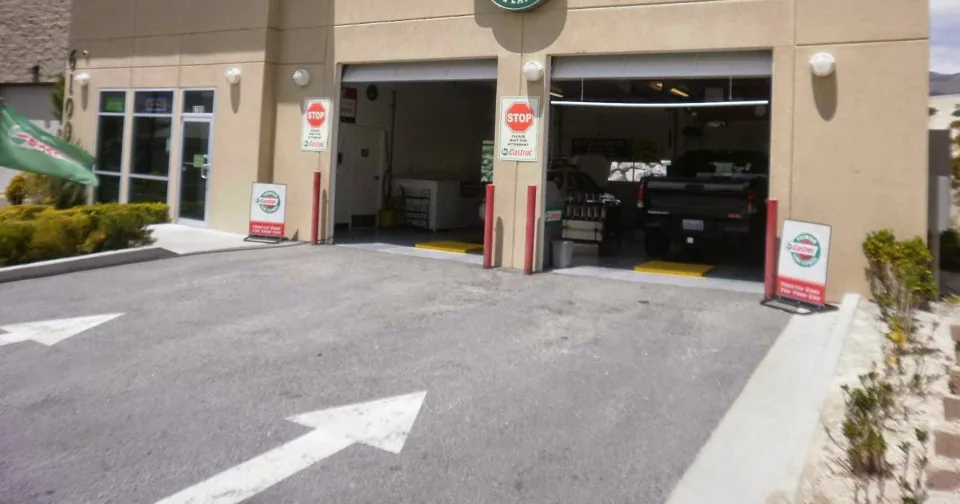
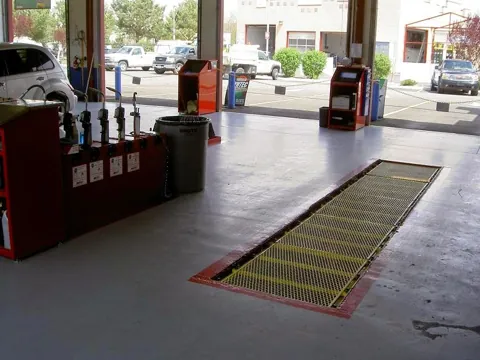
The OBD test reads the computer, not the exhaust. A technician scans the VIN bar code, plugs into the diagnostic port and the analyzer records the result, which reaches the DMV in real time. With the lamp lit, it is a fail.
Come in anyway if your renewal is near. The DMV calls the failed test a legal document showing why the vehicle fails, and it is the gate to a reduced-cost ten-day movement permit when registration has expired, to a challenge test at the emissions lab, and to the waiver process. One caution from the DMV: repairs paid for before that first failed test do not count toward a waiver.
Repair, drive, retest
Once a repair shop has done the work, the codes are usually cleared, and that resets the readiness monitors. The DMV describes a rejected, not ready result as no failure at all, just a computer that has not finished its checks. Its advice is to drive up to one week under varying conditions, city and highway, then return for the retest. See not ready and rejected for more.
If the vehicle still fails after repairs, a Washoe waiver may be possible: receipts of at least $200 for directly related repairs at a 2G licensed authorized station, or at least $200 for related parts the owner bought within 14 days after the initial test. The vehicle, both failed certificates and the receipts then go to the DMV Emission Lab.
Is the sensor covered
Federal law covers some expensive emission components for up to 8 years or 80,000 miles, and the DMV says to check with the dealer about emissions warranty coverage or a recall before you pay. Ask about the specific part and your mileage.
Sources
- dmv.nv.gov/emission_obd.htm (Nevada DMV OBD page: light on means fail, test anyway, rejected not ready, federal emissions warranty; read 11/3/26)
- dmv.nv.gov/regrenewal.htm (Nevada DMV: Washoe waiver receipts and the Emission Lab; read 11/3/26)
- obd-codes.com/p0133 (public code reference for the P0133 definition; read 11/3/26)