
P0456 surprises people twice. First because the leak is so small that nothing about the car seems wrong, and again because a leak that small can take some patience to track down. Neither changes the smog rule. What helps is knowing the steps in the right order, so a small problem does not turn into a late registration.
At a glance
- Generic SAE J2012 definition: Evaporative emission system leak detected (very small leak).
- Leak size does not change the result; a lit lamp fails the Nevada OBD test.
- The EVAP self-check can take a while to run again, so leave time before your registration deadline.
- Keep the failed report and all receipts in case the Washoe waiver comes into play.
Smallest of the leak codes
SAE J2012 publishes three graded leak codes for the evaporative emission, or EVAP, system: large (P0455), small (P0442) and very small, which is P0456 in the standard's words: Evaporative emission system leak detected (very small leak). Some public code references simply call it a small leak; the standard's own term is very small.
The EVAP system catches gasoline vapor from the tank, stores it in a charcoal canister, and lets the engine draw it in and burn it. Every so often the computer seals the system and checks whether it holds. A very slow loss sets P0456. The leak is tiny, but the rule behind the test is simple: the vapor is supposed to stay in.
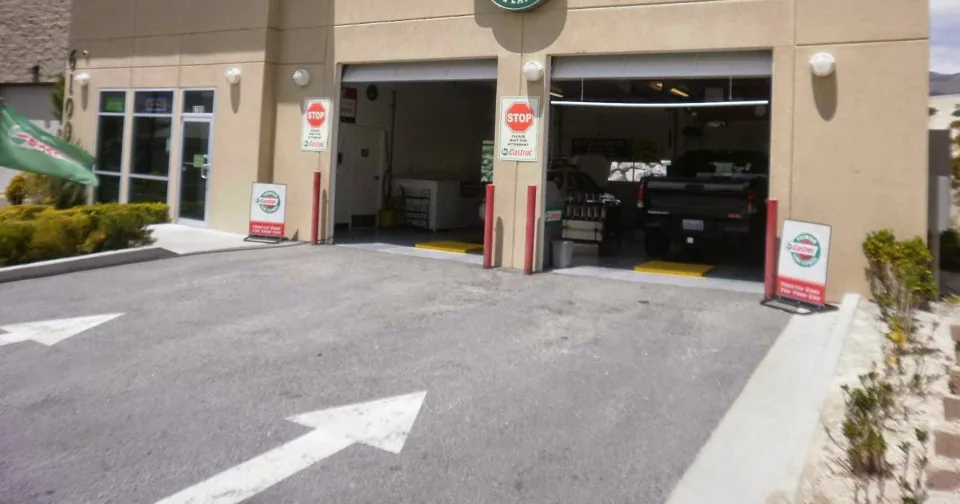
A Washoe County test with P0456
For a 1996 or newer car or light truck, the lit lamp decides the result: it fails. The DMV still recommends coming in, because the failed test is the legal record that starts the repair, retest and waiver path. If the registration is already expired, that report also supports a ten-day movement permit at reduced cost.
Order of steps
Each step depends on the one before it, so the sequence matters more than speed.
- Check the gas cap. The DMV lists a loose cap as a common cause of a sudden lamp, and a worn cap seal is a classic source of a very small leak.
- If the lamp stays on, get tested to have the failed report on record. Money spent before the first failed test does not count toward a waiver.
- Call the dealer about federal emissions warranty coverage or a recall. EVAP parts are emission equipment, and federal law covers some expensive emission components up to 8 years or 80,000 miles.
- Take the car to a repair shop for the leak.
- Drive up to a week of mixed city and highway miles so the EVAP check can run, then retest.
Common causes a repair shop checks
Very small leaks are often in soft parts that age. Xpress tests; a repair shop finds the leak. Common causes a repair shop checks include a gas cap seal that has hardened, the filler neck where the cap seats, small cracks in vapor hoses, and a canister or vent valve that does not seal completely. The DMV recommends a 2G licensed authorized station for emissions repairs.
Why clearing P0456 backfires
It is tempting to erase the code and hope the leak test does not run again before the smog check. The DMV treats that as a not ready rejection, because clearing codes resets every self-check, not only the EVAP one. The car then has to be driven through its monitors before it can be tested at all. Our not ready page covers that wait.
If repairs do not turn the lamp off
Washoe County's waiver applies to a 1996 or newer light-duty vehicle that still fails for a lit lamp after repairs. A 2G station's receipts must show at least $200 in parts and labor for repairs directly related to the initial failure; an owner's receipts must show at least $200 in related parts bought within 14 days after the initial test. Bring the vehicle, both failed certificates and the receipts to the DMV Emission Lab. There is no charge for the waiver, and it is valid for one year.
Sources
- dmv.nv.gov/emission_obd.htm (Nevada DMV OBD page: lamp on is a fail, test anyway, cleared codes rejected, 8 years / 80,000 miles; read 11/3/26)
- dmv.nv.gov/emission.htm (Nevada DMV: loose gas cap common cause; read 11/3/26)
- dmv.nv.gov/regrenewal.htm (Nevada DMV renewal page: Washoe waiver receipts and $200 minimum; read 11/3/26)
- obd-codes.com/p0456 (public OBD II code reference: P0456 EVAP leak, listed there as a small leak; read 11/3/26)